Sublimation vs Screen Printing vs DTF: Which Is Right for Your Kit?
Most guides on this topic are written by print shops that own one machine. The machine they own is always the answer.
We run sublimation, screen printing, DTF and DTG on our floor in Sialkot, and we turn work away from each of them regularly. Sublimation is wrong for a cotton hoodie. Screen printing is wrong for compression leggings. DTF is wrong for a 2,000-piece order of single-colour club tees. DTG is wrong for almost anything made of polyester. The method is not a preference. It is decided by the fabric you picked, how far that fabric stretches, and how many pieces you are ordering.
Quick answer
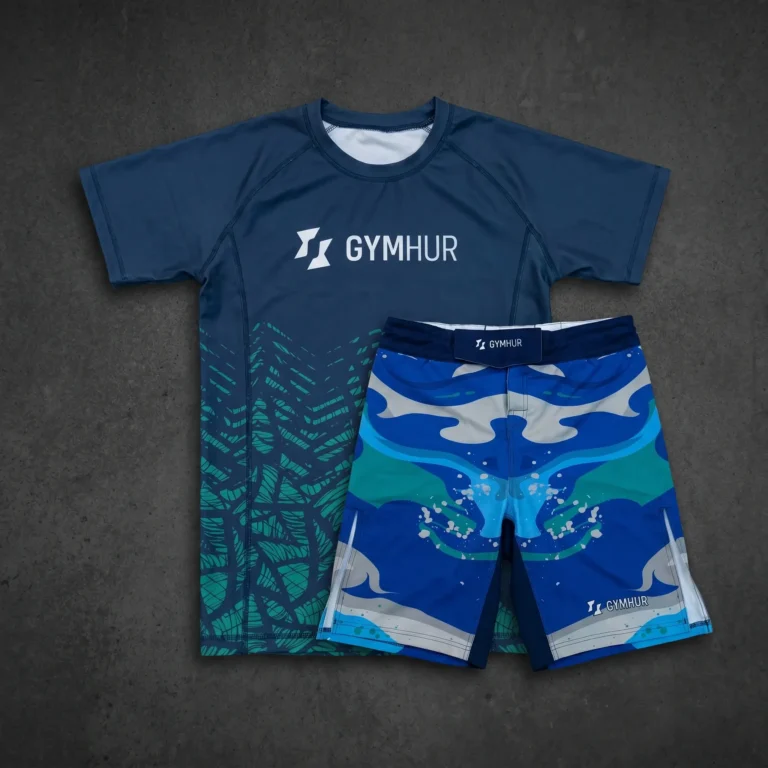
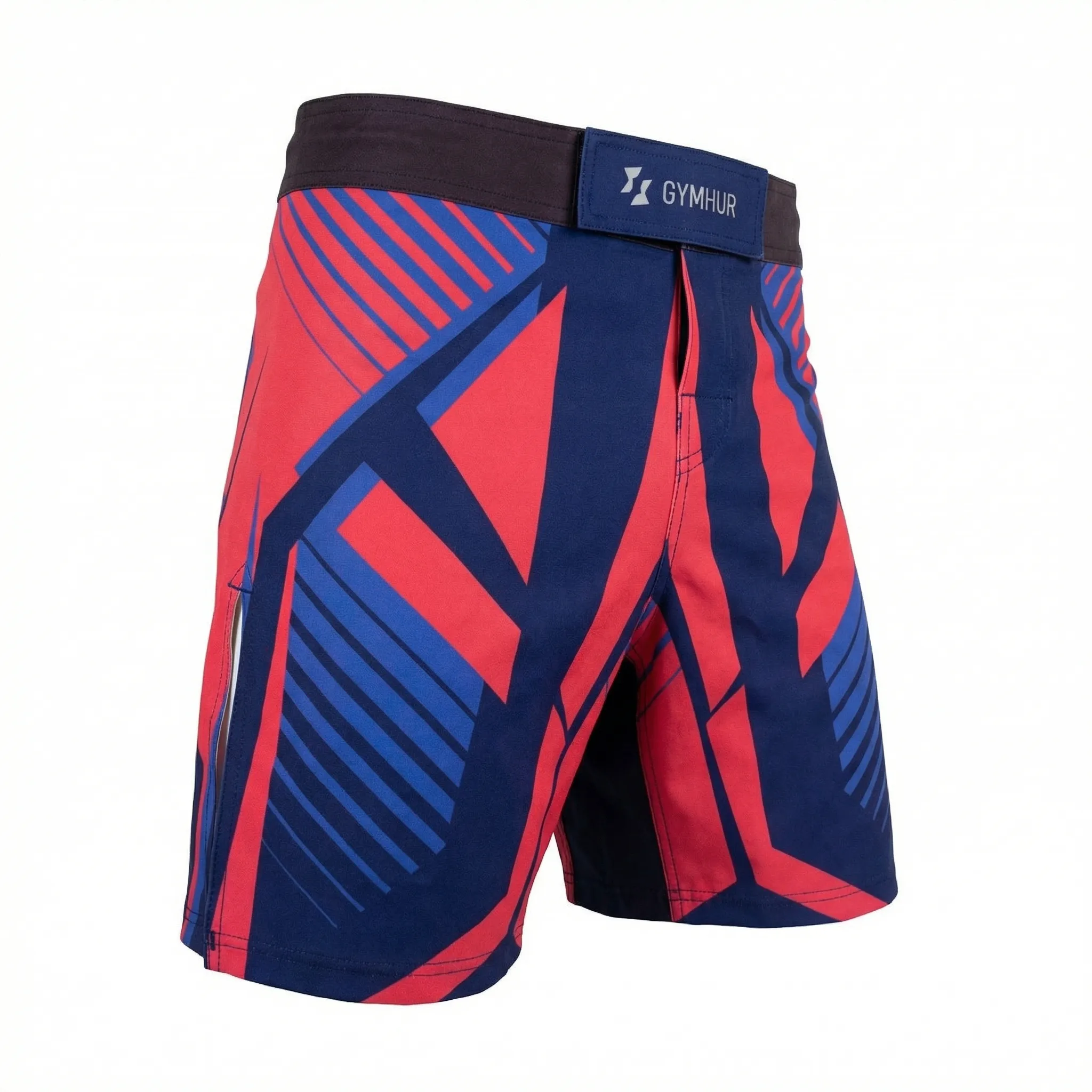
Use dye sublimation for polyester and poly/spandex performance wear: rashguards, fight shorts, spats, cycling kit, sublimated soccer kits, all-over printed leggings. The dye becomes part of the fibre, so it cannot crack or peel no matter how far the garment stretches.
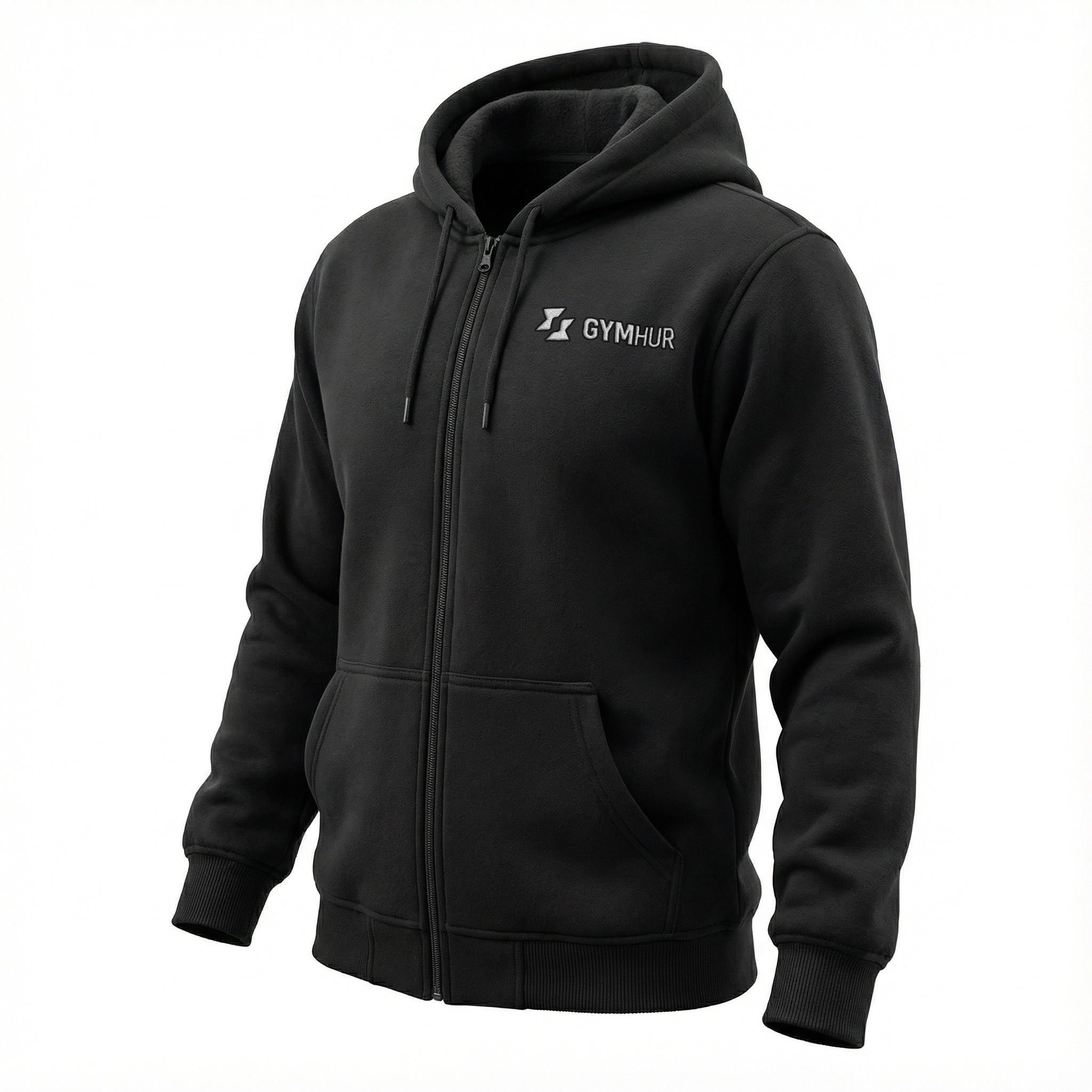
Use screen printing for simple logo work on cotton and cotton-blend garments at volume: hoodies, tees, training tops. Setup cost per colour, cheap per piece once you are past a few hundred units.
Use DTF for dark fabrics, mixed fabric types, complex artwork at low quantities, and anything you cannot sublimate. It sits on top of the fabric, so keep it off high-stretch panels.
DTG is worth using on cotton when the artwork is photographic and the run is small. It gives a softer finish than DTF but only works properly on natural fibre.
The three questions that decide it
Every decoration argument we have with a client comes down to the same three inputs.
1. What is the fibre? Sublimation dye only bonds to polyester. On cotton it washes straight out. That single fact eliminates sublimation from about half of all requests before anything else is discussed.
2. How far does the fabric stretch? A 4-way stretch poly/spandex rashguard panel can extend well past 50% and snap back thousands of times. Any ink sitting on the surface of that fabric is in a fight it eventually loses.
3. How many pieces, and how many colours? Screen printing charges you per colour, once, at setup. Sublimation and DTF do not care whether your artwork has two colours or two hundred. That changes which one is cheaper at 50 pieces versus 1,000.
If you have not locked your fabric yet, read our nylon vs polyester breakdown first, because that decision quietly makes your printing decision for you.
Dye sublimation
Sublimation ink is printed onto transfer paper, then heat and pressure turn it into a gas that bonds into the polymer chains of polyester fibre. There is no ink layer. The fabric is dyed.
What that gets you. No hand feel at all. No cracking, no peeling, no lifting. Colour that survives the fabric being stretched to its limit and released, over and over. Photographic artwork, gradients, and unlimited colours at no extra cost, because a 24-colour design and a 2-colour design run through the same printer at the same price.
Fabric construction does not matter, only fibre content does. Polyester satin, microfibre, interlock, jersey, mesh and poly/spandex knits all take sublimation dye. Traditional Muay Thai satin sublimates perfectly well, which surprises people who assume the process is only for stretch knits.
The hard limits.
Polyester only. We want 100% polyester or a high-polyester blend such as 88/12 poly/spandex. Below roughly 65% polyester the print goes dull and patchy because the dye has nothing to bond to. Nylon will technically take sublimation dye but the saturation and durability are noticeably worse than polyester, and nylon does not enjoy the press temperatures involved. If your leggings are nylon/spandex and you want all-over print, either switch the base fabric to poly/spandex or use a solid dyed fabric with heat-transfer branding instead.
There is no white sublimation ink. The white in your design is the fabric showing through, which means the base fabric has to be white or very light. This is where most people misunderstand the process. You absolutely can have a jet black rashguard from sublimation. The black is printed across white fabric at full coverage. What you cannot do is sublimate onto fabric that is already black.
Pantone matching is not guaranteed. Sublimation works in a CMYK gamut and colour lands slightly differently across fabric types and weights. We can get very close and we can match to an approved strike-off, but if your brand lives and dies by an exact Pantone hit on a logo, screen printing mixes ink to that spec and sublimation does not.
High elastane content is a heat problem. Above about 20% spandex, press temperature and dwell time have to come down or the fabric distorts and shrinks. That is a production adjustment, not a reason to avoid it, but it is why cheap sublimation on very high-stretch fabric sometimes comes back with warped panels.
Cut-piece sublimation is not the same as printing a finished garment. This is the difference between a manufacturer and a print shop, and it shows up in the product. We print flat fabric first, then cut the panels, then sew. Artwork runs edge to edge and carries across seams, sleeves can be designed independently of the body, and there are no white creases where a press could not reach into a finished garment. Print shops working with blank stock press the assembled garment, which is why you see unprinted white lines at the underarm and seam allowances on cheap all-over-print gear.
Sublimation adds a few days to the production schedule for printing and transfer before assembly begins.
Screen printing
Ink is pushed through a mesh screen onto the fabric. One screen per colour, and each screen has to be made, aligned, and cleaned down.
Where it wins. Volume with simple artwork. The setup cost is fixed, so it spreads thinner with every piece you add. On a 1,000-piece run of cotton hoodies with a two-colour chest logo, screen printing is not close to being beaten. The opacity is excellent, including on dark fabric, and plastisol properly cured is genuinely durable. Water-based inks sink further into the fabric and give a much softer finish if you want the print to feel like part of the garment.
Where it fails.
Stretch. This is the one that catches out new activewear brands. Standard plastisol will not follow a poly/spandex panel. Stretch additives exist and they help, but spandex outstretches the ink’s tolerance, and on compression garments the print cracks across the high-tension zones first. We do not screen print logos onto leggings, spats, or rashguards for this reason. Silicone heat transfer or sublimation goes on those instead.
Dye migration on polyester. Polyester’s own disperse dyes can bleed up into screen ink after curing, so a white logo on a red poly jersey turns pink weeks later. It is preventable with low-bleed inks and a blocker underbase, and any competent factory will spec that, but it is a real failure mode on cheap work.
Colour count. Every extra colour is another screen, another setup, another registration pass. Six-colour artwork on a 60-piece order makes no economic sense.
Screen printing is our default on hoodies and cotton-blend training wear where the artwork is a logo rather than a graphic.
DTF (direct to film)
DTF prints your artwork onto a PET film, including a white ink underbase, then hot-melt adhesive powder is applied and cured before the transfer is heat pressed onto the garment.
Where it wins. Fabric agnostic. It works on cotton, polyester, blends, and dark colours, which is exactly the ground sublimation cannot cover. No screens means no setup fee and no colour limit, so a photographic sixteen-colour design on 50 pieces is priced the same as a simple one. For small runs, sampling, mixed-fabric collections, and anything on black cotton, it is usually the correct call.
Where it fails. It is a layer sitting on the surface. You can feel it, and on a large print you will feel it a lot. Under repeated heavy stretch it cracks and lifts, so it does not belong on compression panels or waistbands. Durability is decent on stable fabrics, in the region of 40 or more washes when applied and cured properly, but a well-cured screen print on heavy cotton still tends to outlast it.
DTF has quietly taken over a lot of custom apparel work because it removes almost every constraint. That does not make it the best print on any given garment. It makes it the most flexible one.
DTG (direct to garment)
DTG jets water-based ink straight onto the assembled garment, the way an inkjet prints onto paper. Dark garments need a pretreatment coat and a white underbase before the colour goes down.
Where it wins. On 100% cotton it gives the softest hand of any digital method, softer than DTF, because the ink soaks into the fibre rather than sitting on a film. No screens, no setup, unlimited colours, and it will happily print one piece. That is why every print-on-demand platform is built on it.
Where it fails. Cotton dependency. DTG needs absorbent natural fibre to work properly, and on polyester or poly/spandex the ink sits badly, cures unevenly, and looks washed out. Since almost everything we manufacture is polyester based, that rules DTG out of most of our range before any other consideration is reached. Wash durability is respectable but below a properly cured screen print, and the print still sits at the surface, so it is no better than DTF on stretch panels.
When we do specify it. DTG earns its place on cotton and cotton-rich garments where the artwork is photographic or highly detailed and the run is small. A 60-piece drop of cotton tees with a complex full-colour graphic is a good DTG job, and it will feel softer than the DTF version of the same print. Beyond that, the economics turn against it. DTG is slow per unit, so cost per piece does not fall much as the order grows, and by a few hundred pieces screen printing has overtaken it on a simple design. It is worth remembering that DTG exists because print-on-demand needed to make one shirt profitably. That is the problem it solves best, and it is not usually the problem a brand ordering a collection has.
DTG or DTF? DTF if the fabric is anything other than cotton, or if the garment is dark and you want strong opacity. DTG if it is cotton, the artwork is photographic, and hand feel matters more than durability.
A note on embroidery
Not a print method, but it competes for the same budget. Embroidery is the right answer for logos on caps, polos, gi patches, and anywhere the garment needs to look premium for years. It costs more per piece and it is wrong on high-stretch fabric, since the stitching restricts the panel. We combine it constantly: embroidered chest logo, sublimated body.
Which method for which garment
| Garment | Fabric | Method we use | Why |
|---|---|---|---|
| Rashguards | Poly/spandex 200–240 GSM | Full dye sublimation | Extreme stretch and friction, print must not exist as a layer |
| Fight shorts | 4-way stretch poly/spandex | Sublimation, plus silicone or embroidery for logos | Grappling abrasion destroys surface prints |
| Spats | Poly/spandex | Sublimation | Compression fit, highest stretch of anything we make |
| Muay Thai shorts | Polyester satin 140–160 GSM, or microfibre | Sublimation, embroidery, or satin appliqué | Satin is polyester, so it sublimates fine. Embroidery is still what the traditional market expects |
| Soccer kits | Polyester interlock or mesh | Cut-piece sublimation, heat transfer for names and numbers | Multi-sponsor artwork across panels, changeable player detail |
| Cycling kit | Poly/spandex | Sublimation | Edge-to-edge artwork over aero panels |
| Leggings | Nylon/spandex or poly/spandex | Solid dyed with silicone or heat transfer branding, or poly base for all-over sublimation | Nylon does not sublimate well, so the fabric choice comes first |
| Hoodies | Cotton fleece or French terry | Screen print, DTF, DTG, puff or 3D embroidery | Cotton rules out sublimation entirely |
Six mistakes we correct every month
Asking for sublimation on cotton. It will not work at any price. If the garment has to be cotton, the answer is screen print, DTF, or embroidery.
Assuming a black garment cannot be sublimated. It can. The fabric starts white and the black is printed. What cannot be done is sublimating onto pre-dyed black stock.
Specifying screen print on compression wear. It cracks. Usually within a season, always at the seams and the high-stretch zones.
Ordering nylon/spandex and asking for all-over print. Pick one. Nylon gives the softer hand and the better recovery, polyester gives the print. This is a fabric decision disguised as a printing decision.
Expecting an exact Pantone from sublimation. Ask for a strike-off, approve the actual fabric, and hold us to that instead.
Sending artwork at the wrong resolution. All-over sublimation prints at garment scale. A 500px logo that looked fine in an Instagram post becomes a blurred mess across a chest panel. Send vectors where you have them.
How to specify it properly
The decoration method belongs on your tech pack alongside placement, size in millimetres, colour references, and which panels it wraps across. Getting this on paper before sampling is how you avoid the second sample round nobody wants to pay for.
Our tech pack guide covers the full document, and the Tech Pack Builder will generate a manufacturing brief for you if you are starting from nothing. Fabric weight terminology is explained in the GSM guide, which matters here because heavier polyester takes sublimation ink more vividly than very light or sheer fabric.
If you are building a combat sports line specifically, the private label MMA and BJJ guide covers the rest of the process from MOQ to sampling.
FAQ
Which is better, sublimation or screen printing? Neither. Sublimation is better on polyester performance wear because the dye enters the fibre and cannot crack. Screen printing is better on cotton and at high volume with few colours. The fabric decides it, not the quality of the process.
Can you sublimate a cotton hoodie? No. Sublimation dye bonds to polyester only, and on cotton it washes out. Cotton hoodies are decorated with screen print, DTF, or embroidery.
Can you sublimate a black rashguard? Yes. The black is printed at full coverage onto white fabric before the panels are cut and sewn. Sublimating onto already-black fabric is what is impossible, because there is no white sublimation ink.
Is DTF better than sublimation for sportswear? For high-stretch garments, no. DTF sits on the fabric surface and cracks under repeated heavy stretch. DTF is the better option when the fabric is cotton or dark coloured, when quantities are small, or when sublimation is ruled out for another reason.
What is the difference between DTG and DTF? DTG prints water-based ink directly into the garment and needs cotton to work properly, giving a very soft finish. DTF prints onto a film that is then heat pressed onto the garment, which works on any fabric type and any colour but leaves a layer you can feel. DTF is the more useful of the two for sportswear because most sportswear is polyester.
Do you offer DTG printing? Yes, on cotton and cotton-rich garments. We will usually recommend it only for detailed full-colour artwork on small runs, because screen printing is cheaper on simple designs at volume and DTF handles polyester and dark fabrics better.
How many colours can I have in a sublimated design? Unlimited, at no extra cost. Sublimation and DTF are both digital, so artwork complexity does not affect price. Only screen printing charges per colour.
Does the printing method change the minimum order quantity? Our MOQ is 50 pieces per design regardless of method. Screen printing is the one where low quantities hurt you on price, because the setup cost per colour is spread across fewer pieces.
How long does printing add to production? Sublimation adds roughly three to five days for print and transfer before assembly starts. Sampling runs 14 to 21 days in total, with bulk production beginning after sample approval.
Can you combine methods on one garment? Yes, and we often do. Sublimated body with an embroidered chest logo, or a sublimated kit with heat-transfer names and numbers so the same base can be personalised per athlete.
Get a quote
Send us your tech pack, artwork, or a reference sample and we will tell you which decoration method your garment actually needs, including when the honest answer is not the one you asked for. Factory-direct quote within 24 hours.