GSM Explained: How to Choose the Right Fabric Weight for Every Garment
If you have ever submitted a Tech Pack or had a conversation with a fabric supplier, you have encountered the term GSM. It appears in product descriptions, sample specifications, and quality control reports. Yet it is one of the most misunderstood numbers in apparel manufacturing — and choosing the wrong GSM for your product is one of the most common and costly mistakes a new brand makes.
This guide explains exactly what GSM means, why it matters, how it affects every aspect of your garment’s performance, and what GSM to specify for each product in your range.
What GSM Actually Means
GSM stands for grams per square metre. It is the standard measurement of fabric weight used across the global textile industry.
The concept is simple: if you cut a piece of fabric measuring exactly one metre by one metre, its weight in grams is its GSM value.
- A low GSM means a lightweight, thinner fabric
- A high GSM means a heavier, denser fabric
That is the definition. But GSM is more than just a weight measurement — it is a proxy for a fabric’s density, thickness, opacity, compression, warmth, and cost. Understanding how to read GSM correctly allows you to specify the right fabric before sampling, rather than discovering the problem after you have spent money on a prototype that does not perform the way you intended.
What GSM Affects — And What It Does Not
Before getting into specific ranges, it is important to understand what GSM actually controls and where its limits are. This is where most brands make mistakes.
GSM directly affects:
- Opacity — higher GSM means the fabric is less likely to be see-through
- Compression — higher GSM provides more structure and hold against the body
- Warmth — heavier fabrics trap more heat
- Drape — lighter fabrics flow, heavier fabrics hold their shape
- Durability — in general, more fibre per square metre means more resistance to wear, pilling, and repeated washing
- Cost — heavier fabrics use more material and cost more per metre
GSM does not directly determine:
- Softness — a 160 GSM nylon/spandex can feel significantly softer than a 260 GSM polyester interlock. Fibre type and finishing control hand-feel, not GSM alone
- Stretch — the spandex percentage and knit construction determine stretch, not weight
- Moisture-wicking — fibre type determines moisture management, not GSM
- Strength — a tightly knit 180 GSM nylon fabric can outlast a loosely knit 260 GSM polyester. Fibre strength and construction matter as much as weight
The most important rule in fabric specification: always evaluate GSM alongside fibre composition and knit construction — never in isolation.
The GSM Ranges: What Each Tier Means
Lightweight: 100–160 GSM
Thin, breathable, minimal structure. These fabrics prioritise airflow and freedom of movement over compression or warmth.
Used for: Performance jerseys, training tops, running vests, mesh panels, base layers, team kit shells.
Typical fibre: 100% Polyester micro-interlock or bird’s-eye mesh.
What to expect: Maximum breathability, fast moisture-wicking, minimal opacity. Not suitable for any product where coverage is required — leggings or sports bras at this weight will be see-through under strain.
At GYMHUR, our custom soccer and football jerseys and custom cycling jerseys are manufactured at 140–160 GSM polyester — the correct weight for performance kit where breathability and low fabric weight directly affect performance.
Mid-Light: 160–220 GSM
The most versatile range in activewear. Enough weight for coverage on most garments, light enough for performance use.
Used for: Training t-shirts, gym tanks, rashguards, sports bras (lighter styles), yoga tops, lightweight shorts.
Typical fibre: Polyester/spandex (85/15), Nylon/spandex (80/20) for premium options.
What to expect: Good moisture-wicking, reasonable opacity for tops and upper body garments, moderate durability. At the lower end of this range (160–180 GSM), leggings may lack full opacity under strain — adequate for casual wear but borderline for performance.
Our rashguards are manufactured in this range — 180–200 GSM polyester or nylon/spandex blends that need 4-way stretch and durability for grappling and combat sports without restricting movement.
Mid-Heavy: 220–280 GSM
The performance sweet spot for most compression and fitted activewear. This range delivers the opacity, structure, and compression that performance leggings, sports bras, and fitted shorts require.
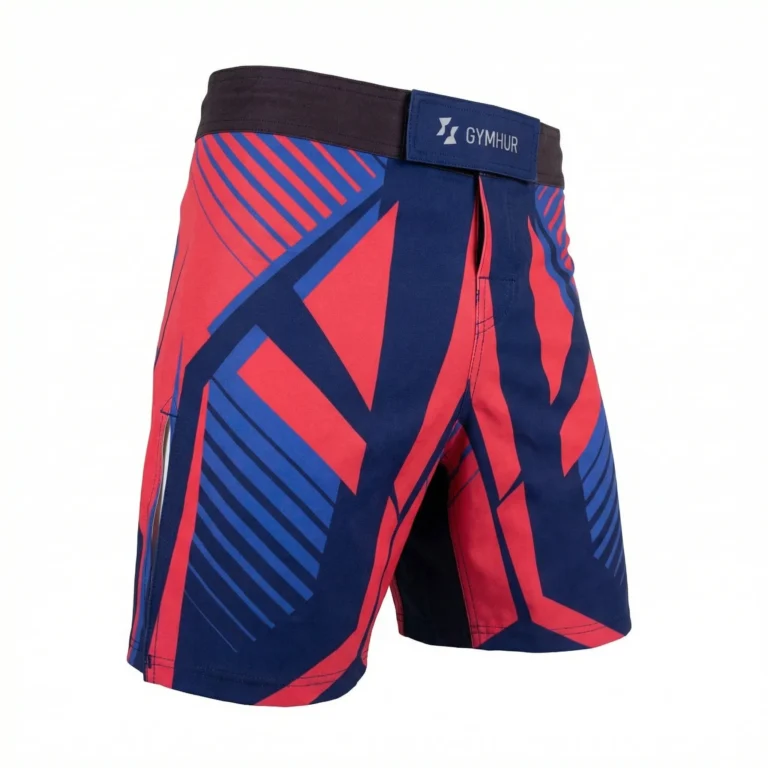
Used for: Performance leggings, sports bras, compression shorts, cycling bib shorts and padded shorts, fitted gym wear, fight shorts.
Typical fibre: 80% Nylon / 20% Spandex (premium) or 85% Polyester / 15% Spandex (standard).
What to expect: Full opacity under strain, good compression without feeling restrictive, strong stretch recovery over time, durable across repeated washing. This is the range where squat-proof performance is reliably achieved. Cycling bib shorts and padded shorts are manufactured at 200–240 GSM in this range for the correct balance of compression and four-way stretch required on the bike.
Our custom leggings are manufactured at 200–300 GSM depending on the specific brief — standard gym leggings sit at the lower end of this range (220–240 GSM), while premium compression or heavyweight leggings push toward the upper end (260–280 GSM).
Heavyweight: 280–400 GSM
Thick, structured, warm. These fabrics prioritise comfort, insulation, and a premium hand-feel over performance breathability.
Used for: Hoodies, sweatshirts, joggers, training fleece, oversized gym wear, streetwear-influenced activewear.
Typical fibre: Cotton Fleece, French Terry (300–400 GSM), or Scuba Knit / Ponte Roma for structured streetwear aesthetics.
What to expect: Substantial hand-feel, warmth, excellent drape for oversized cuts, strong durability. Not suitable for performance activities where breathability is required — a 350 GSM hoodie is designed for warming up, recovery wear, and lifestyle wear, not for wearing during a workout.
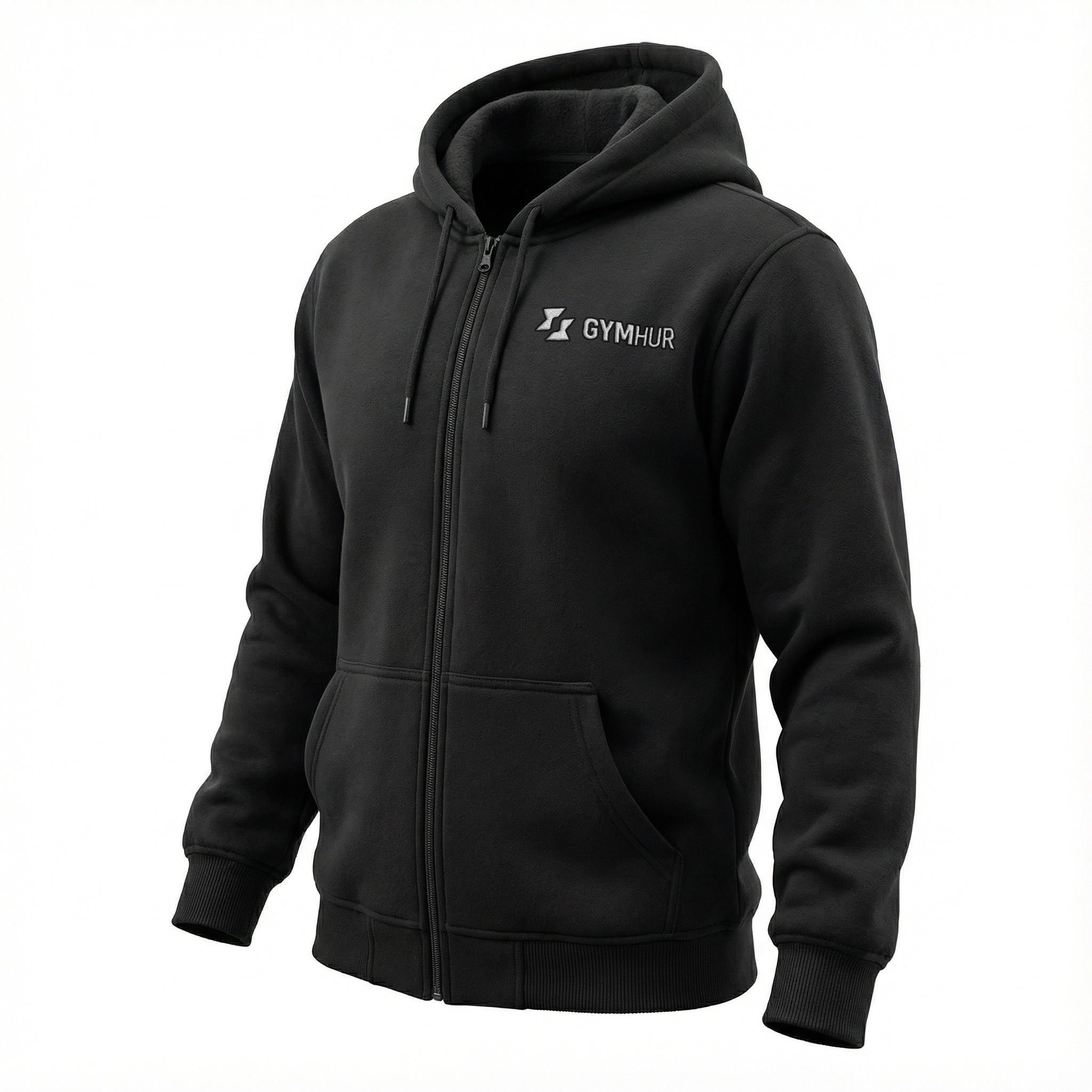
Our hoodies are manufactured at 300–500 GSM depending on the positioning — a standard training hoodie sits at 300–350 GSM, while a premium heavyweight oversized hoodie designed to compete with brands like Represent or Fear of God Essentials would sit at 400–500 GSM French Terry or loopback cotton.
Ultra-Heavyweight: 400 GSM+
Specialist territory. Used for premium streetwear, structured outerwear, and heavyweight lifestyle pieces where the weight itself is part of the brand proposition.
Used for: Premium heavyweight hoodies and crewnecks, structured oversized sweatshirts, high-end streetwear collections.
Typical fibre: 400–500 GSM loopback French Terry, heavyweight brushed cotton fleece.
What to expect: Extremely substantial feel, excellent longevity, significant insulation. Retail price points typically need to justify the higher fabric cost — ultra-heavyweight pieces carry a material premium that needs to be reflected in your margin calculation.
| Product | Recommended GSM Range | Typical Fibre |
|---|---|---|
| Football / Soccer Jersey | 140–160 GSM | 100% Polyester Micro-Interlock |
| Basketball Jersey | 140–160 GSM | 100% Polyester Bird’s-Eye Mesh |
| Cycling Jersey | 150–180 GSM | Polyester/Spandex (90/10) |
| Training T-Shirt | 160–180 GSM | Polyester/Spandex or 100% Polyester |
| Rashguard | 180–200 GSM | Polyester/Spandex or Nylon/Spandex |
| Fight Shorts | 160–200 GSM | Polyester/Spandex (4-way stretch) |
| Cycling Bib Shorts / Padded Shorts | 200–240 GSM | Polyester/Spandex (80/20) |
| Sports Bra (light support) | 180–220 GSM | Nylon/Spandex or Polyester/Spandex |
| Sports Bra (high support) | 240–280 GSM | Nylon/Spandex |
| Yoga / Casual Leggings | 200–240 GSM | Nylon/Spandex or Polyester/Spandex |
| Performance / Gym Leggings | 240–280 GSM | Nylon/Spandex (premium) |
| Compression Leggings | 260–300 GSM | Nylon/Spandex |
| Training Hoodie | 300–350 GSM | Cotton Fleece or French Terry |
| Premium Heavyweight Hoodie | 380–500 GSM | Loopback French Terry |
| Joggers | 280–350 GSM | Cotton Fleece or French Terry |
The Three Most Common GSM Mistakes
1. Specifying too low for leggings
This is the most frequent error from new activewear brands. A legging specified at 160–180 GSM will be see-through under strain — particularly in the seat and inner thigh area during squats or stretching. If your product promises “squat-proof,” the fabric needs to be a minimum of 220 GSM, and ideally 240–260 GSM for full confidence across all body types.
If you are unsure, request a “squat test” with your sample — put the garment on, squat in front of a light source, and photograph the result. Any transparency is a problem that will generate returns and negative reviews.
2. Confusing GSM with quality
A 400 GSM fabric is not inherently better than a 220 GSM fabric — it is heavier. For a performance legging, a 400 GSM fabric would be uncomfortably restrictive and unnecessarily expensive. For a hoodie, a 160 GSM fabric would be flimsy and offer no warmth. Specify GSM based on the product’s purpose, not a general assumption that higher means better.
3. Not specifying GSM in the Tech Pack
If you do not specify GSM in your Tech Pack, the factory will use whatever is available in their fabric inventory — which may or may not match your expectations. Always include both the GSM range and the fibre composition in your specification. For example: “85% Polyester / 15% Spandex, 240–260 GSM, 4-way stretch” leaves no ambiguity and ensures you can compare samples against a defined standard.
How GSM Affects Your Cost
Fabric cost is typically priced per kilogram or per metre. A higher GSM fabric uses more material per metre, which means:
- Higher GSM = more fabric cost per unit
- Higher GSM = slightly heavier shipping weight per unit (relevant at volume)
- Higher GSM = typically higher perceived quality, which supports a higher retail price
The relationship is not always linear — a premium 220 GSM Nylon/Spandex blend can cost more per metre than a standard 300 GSM polyester fleece because nylon yarn itself is more expensive than polyester, regardless of weight.
Always request the price per metre from your fabric supplier at your specified GSM and fibre composition before finalising your product cost sheet.
How to Specify GSM Correctly in Your Brief
When submitting a brief or Tech Pack to GYMHUR or any manufacturer, include the following fabric specification:
- Fibre composition — e.g. 80% Nylon / 20% Spandex
- GSM range — e.g. 240–260 GSM (a range of 20 GSM is standard tolerance)
- Knit construction — e.g. 4-way stretch interlock
- Finish — e.g. soft-touch / peach finish / standard
- Colour — e.g. Pantone 19-3832 TCX or “stock market colour” if open to available options
If you do not yet know the exact specification you need, share a reference garment you want to match — fabric, weight, and hand-feel — and we can identify the closest available option from our fabric library.
A Note on GSM Tolerance
When your bulk production arrives, the fabric will not always hit the exact GSM you specified. Industry standard tolerance is ±5% — meaning a fabric specified at 240 GSM might arrive at anywhere between 228 and 252 GSM and still be within acceptable range. This is normal.
If your QC inspection finds fabric more than 5% outside the specified GSM, that is grounds to raise a quality issue with the factory before the order ships. Always include your GSM specification in the purchase order so there is a written reference point for any QC dispute.
Ready to Specify Your Fabric?
If you are building a product range and are not sure what GSM to specify, share your brief with us and we will recommend the right spec from our fabric library — at the right price point for your target retail margin.
Related reading: