How to Start a Private Label Activewear Brand in 2026: The Complete Roadmap
Most guides about starting an activewear brand are written by print-on-demand platforms selling their own service. This one is written by the people who actually cut and sew the garments.
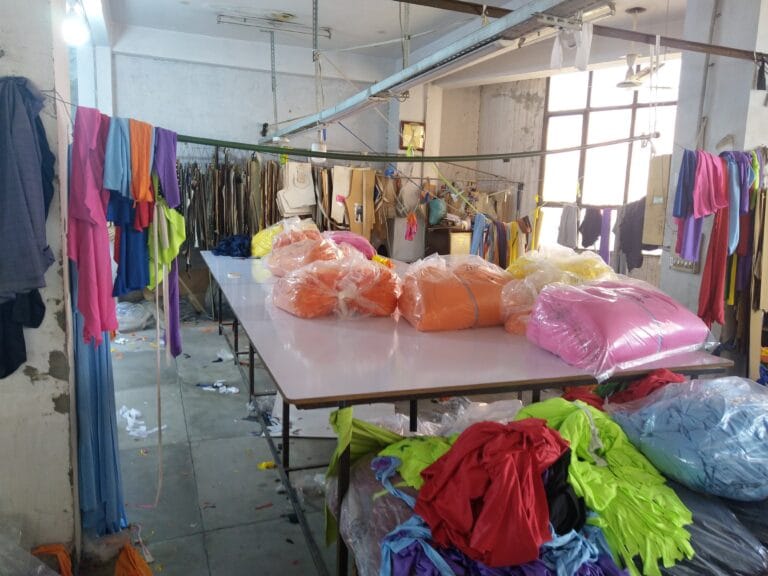
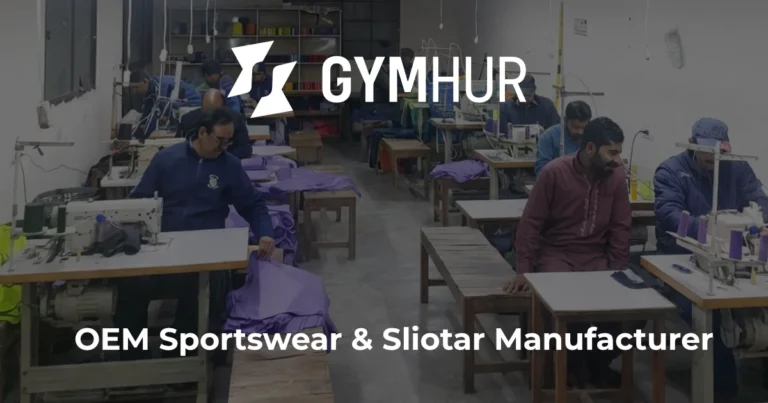
We manufacture private label activewear in Sialkot, Pakistan — leggings, sports bras, hoodies, rashguards, fight shorts — for brands at every stage, from first-time founders placing 50-piece samples to established labels running 5,000-unit production runs. What follows is what we actually see work, and what kills brands before they ship a single order.
Step 1: Pick a niche you can own, not a category you can enter
The activewear market is enormous. That’s the problem. “Women’s gym wear” is not a niche — it’s a category with tens of thousands of competitors and a marketing budget requirement you don’t have yet.
The brands that grow fast in this space all made the same move early: they got specific. Powerlifting gear for women over 40. Modest activewear for Muslim athletes. Compression leggings designed around postpartum recovery. BJJ-specific rashguards with tournament-legal paneling. These are niches. A niche has a community, a vocabulary, and people who will tell each other about a brand that actually gets them.
Pick your niche before you pick your product. Your niche determines your fabric, your fit, your sizing, your price point, and who you’re talking to on every channel.
Step 2: Define your product range — and keep it small
New founders almost always want to launch too many SKUs. Leggings, sports bra, hoodie, shorts, jacket. That’s five products, each needing a tech pack, at least two sample rounds, separate fabric sourcing, and separate sizing runs. The cost compounds fast.
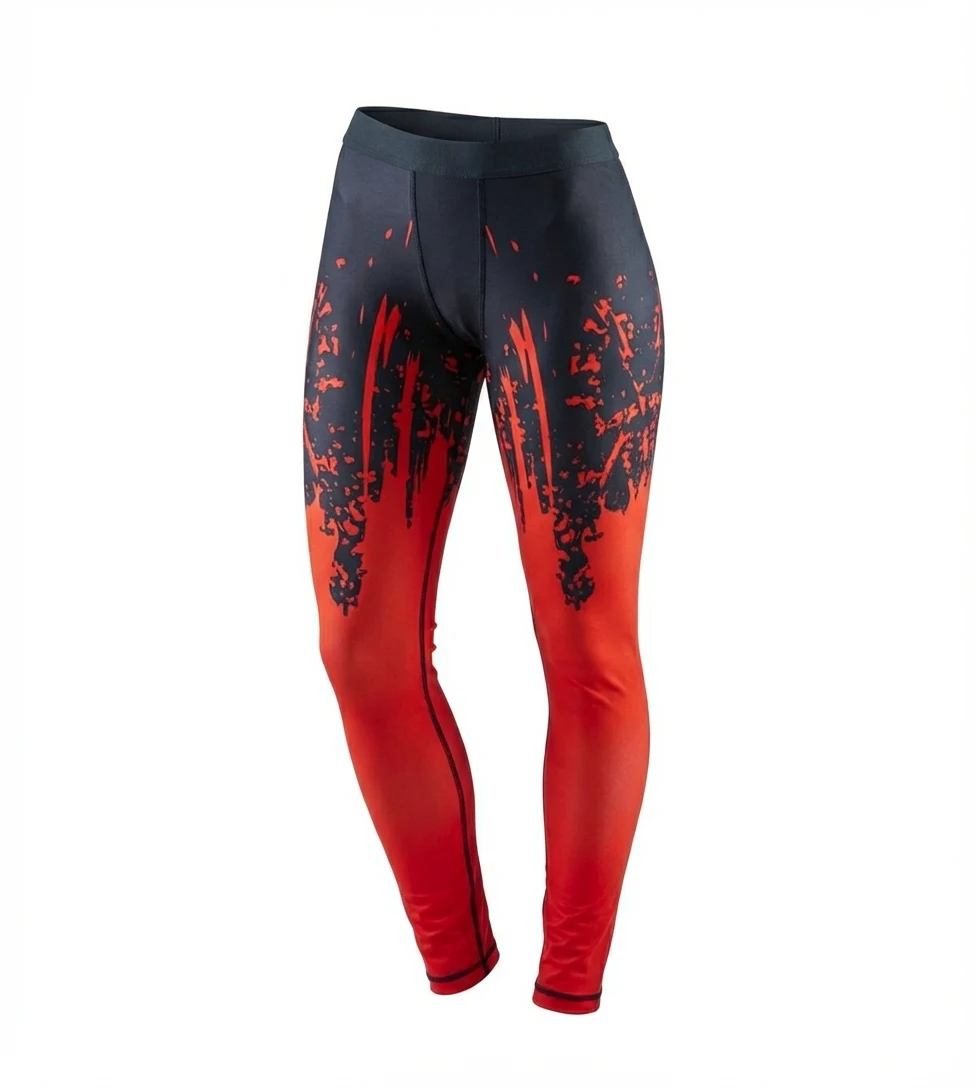
Start with one or two hero products. Leggings are the most common starting point because the margin is good, the market is large, and a single well-fitted pair creates repeat customers. Sports bras pair naturally if you have the budget. Everything else can wait until you have revenue.
The other reason to start small: sampling. Every product you add is another four to eight weeks of back-and-forth on fit and construction before it’s ready to sell. Two products done right will outperform five products done fast.
Step 3: Write a tech pack — or pay someone to
A tech pack is the document your manufacturer needs to produce your garment accurately. It covers construction specs, measurements by size, fabric type and weight, stitching type, logo placement, colorways, labels, and tags. Without one, you’re relying on verbal descriptions and hope.
Most sourcing problems — wrong fabric, bad fit, incorrect branding — trace back to an absent or incomplete tech pack. Factories work from what you give them. If the spec is vague, the output will be vague.
You don’t need design software to write one. A detailed reference photo, a size chart, a clear description of the fabric you want, and a list of what goes where will get a good manufacturer through an accurate first sample. Our free tech pack builder covers all the fields you need for leggings, sports bras, and hoodies.
At minimum, a tech pack needs:
- Garment measurements by size (waist circumference, inseam, rise, leg opening)
- Fabric specification: composition, weight in GSM, finish (matte, shine, brushed)
- Construction details: seam type, panel layout, waistband construction
- Branding: logo size, placement, method (heat transfer, embroidery, woven label)
- Colorways per style
- Labelling: care label content, country of origin, size labels
Step 4: Understand fabric before you commit to a manufacturer
Fabric is where most first-time founders lose money. They approve a sample on the showroom, then find the production run fabric looks or feels different. This happens because samples are often cut from leftover or premium stock, while production uses whatever the factory has in bulk.
The way to avoid it: specify your fabric before sampling begins, and ask your manufacturer to confirm in writing what fabric will be used for both the sample and the bulk run.
Key fabric decisions for activewear:
Nylon vs Polyester — Nylon is softer, more durable, and holds shape better under repeated washing. It’s also more expensive. Polyester is the standard for budget-to-mid-range activewear and performs well for most use cases. Full breakdown in our Nylon vs Polyester guide.
GSM (grams per square metre) — This is fabric weight. Leggings typically run 200–280 GSM. Lower GSM fabrics are lighter and more breathable but may be sheerer. Higher GSM fabrics are more opaque and durable. For a full breakdown by garment type, see our GSM fabric weight guide.
Compression grade — Not all four-way stretch is equal. If your brand promises compression, specify it in your tech pack. Your manufacturer can advise on the appropriate fabric construction and content.
Step 5: Know your MOQ before you start conversations
MOQ — minimum order quantity — is the factory’s floor on how much they’ll produce per style, per colourway. It varies enormously between manufacturers, and it’s the number that kills most early-stage brands.
A factory with a 500-piece MOQ per colourway sounds manageable until you do the math. Three styles in three colours each is 4,500 units minimum before you’ve sold anything. At $18–25 per unit for leggings, that’s $80,000–112,000 tied up in stock before your first sale.
Realistic MOQ ranges for private label activewear:
| Manufacturer type | Typical MOQ per colourway |
|---|---|
| Large Chinese factories | 300–1,000 pieces |
| Mid-size manufacturers (Pakistan, Bangladesh, Portugal) | 50–300 pieces |
| Boutique cut-and-sew ateliers | 30–50 pieces (higher per-unit cost) |
At GYMHUR, our MOQ for leggings and sports bras starts at 50 pieces per style — designed for founders in the first 12 months who need enough volume to test the market without locking up capital.
Step 6: Budget for sampling — and expect multiple rounds
Sampling is the stage most guides skip over. It is not a formality. It is where you find out whether the garment actually fits and performs before you commit to a production run.
Plan for a minimum of two sample rounds per product. Expect three if you’re specifying technical construction details — compression panels, bonded seams, structured waistbands. Each round costs money and takes time.
| Sampling cost | Typical range |
|---|---|
| Sample fee per piece | $30–80 depending on complexity |
| Shipping (each way, DHL/FedEx) | $30–60 |
| Timeline per round | 10–21 days |
| Total per product (2–3 rounds) | $500–800 including shipping |
Sampling is not where you try to save money. A garment that fits poorly or falls apart on first wash will cost you in returns, refunds, and reputation.
Step 7: Understand lead times — and plan around them
Private label manufacturing has real lead times. An order placed today will not ship in a week.
| Stage | Typical timeframe |
|---|---|
| Fabric sourcing (if not in stock) | 2–4 weeks |
| Production (once fabric confirmed) | 4–6 weeks |
| Quality check and packing | 3–5 days |
| Air freight (Pakistan to UK/USA/Australia) | 3–5 days |
| Total, order to delivery | 6–10 weeks |
Peak season delays are real. December–February and June–July see backlogs at most factories as spring/summer and autumn/winter collections compete for the same production slots. If your launch is timed, place your order three to four months before you need goods in hand. For a deeper look at how production timelines work, see our manufacturing lead times guide.
Step 8: Vet your manufacturer before you transfer money
Sourcing fraud is not rare, particularly on platforms like Alibaba. Factories that look credible at enquiry stage turn out to be trading agents with no production capacity, or manufacturers that overpromise and underdeliver on sample quality.
How to vet a manufacturer before committing:
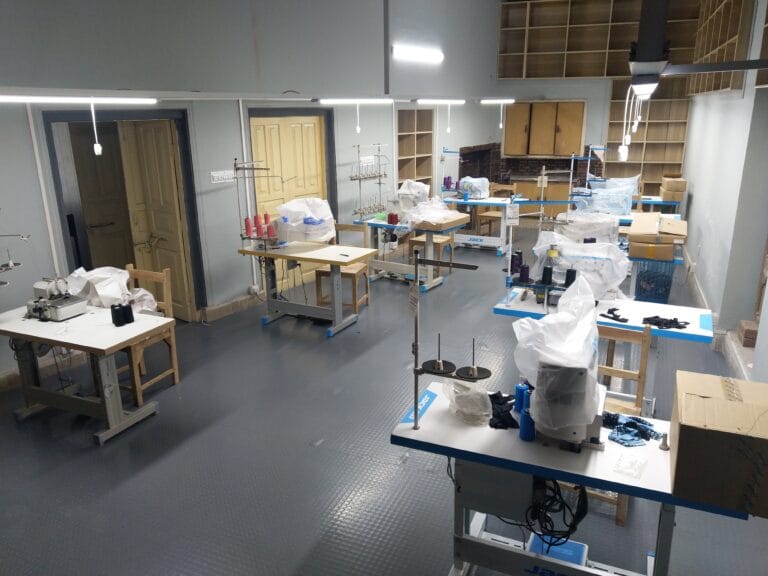
- Request production photos or a factory video. Any legitimate manufacturer can provide this.
- Ask for references from existing clients in your region and follow up on them.
- Start with a sample order, not a full production run. No serious manufacturer will object.
- Never pay 100% upfront. 30–50% deposit with the remainder on delivery is standard.
- Ask the factory to confirm fabric composition and construction specs in writing before you sign off on samples.
GYMHUR manufactures in Sialkot, Pakistan — the city that has produced sporting goods for global brands for over a century. We’re happy to arrange a call before any order is placed. Get in touch here.
What this actually costs to launch
A realistic startup budget for a private label activewear brand with two hero products:
| Item | Estimated cost |
|---|---|
| Tech pack (if outsourced) | $200–500 |
| Sample rounds (2 products × 2–3 rounds) | $800–1,500 |
| First production run (100 units per style at ~$20/unit) | $4,000 |
| Branding (labels, tags, packaging) | $500–1,000 |
| Photography | $500–1,500 |
| Shipping to you | $400–800 |
| Total (conservative) | $6,400–9,300 |
This is a real launch with stock in hand — not a print-on-demand side project. The cost is lower than most founders expect when they come in anticipating $50,000+ minimums. It’s also higher than POD platforms suggest when they quote $300 to start.
The part most guides skip
Most activewear brands don’t fail at manufacturing. They fail because they launch a generic product into a crowded market with no real reason for anyone to choose them over the 40 similar brands already there.
Manufacturing is solvable. Niche selection, brand positioning, and customer acquisition are harder, and no factory can do those for you. Get those right first. Once you know exactly who you’re making for and why they’ll care, manufacturing becomes a logistics problem — and logistics problems have solutions.
If you’re ready to get into specifics on your product, submit an RFQ or message us on WhatsApp and we’ll respond within 24 hours.
Frequently asked questions
How much does it cost to start a private label activewear brand?
A realistic budget for two hero products — including sampling, a 100-unit production run per style, branding, photography, and shipping — is $6,400–9,300. The biggest variable is the number of sample rounds required and whether you outsource your tech pack.
What is the minimum order quantity for private label activewear?
MOQ varies by manufacturer. Large Chinese factories typically require 300–1,000 pieces per colourway. Mid-size manufacturers in Pakistan and Bangladesh often work from 50–300 pieces. GYMHUR’s MOQ starts at 50 pieces per style for leggings and sports bras.
How long does private label activewear manufacturing take?
From confirmed order to goods in hand, expect 6–10 weeks under normal conditions. This covers fabric sourcing (2–4 weeks if not in stock), production (4–6 weeks), and air freight (3–5 days from Pakistan to the UK, USA, or Australia).
Do I need a tech pack to place an order?
A tech pack is strongly recommended. Without one, factories work from approximations, and the gap between what you pictured and what arrives can be significant. If you don’t have one, our tech pack builder will walk you through the required fields before you contact any manufacturer.
What fabric should I use for private label leggings?
The two main options are nylon and polyester. Nylon is softer and more durable but costs more. Polyester works well for most mid-range activewear. GSM (fabric weight) also matters — leggings typically run 200–280 GSM. See our Nylon vs Polyester guide and GSM guide for full detail.