Technical Analysis: Heat Bonding & Ultrasonic Welding in Activewear Construction
1. Introduction: The Evolution of “Sew-Free” Technology
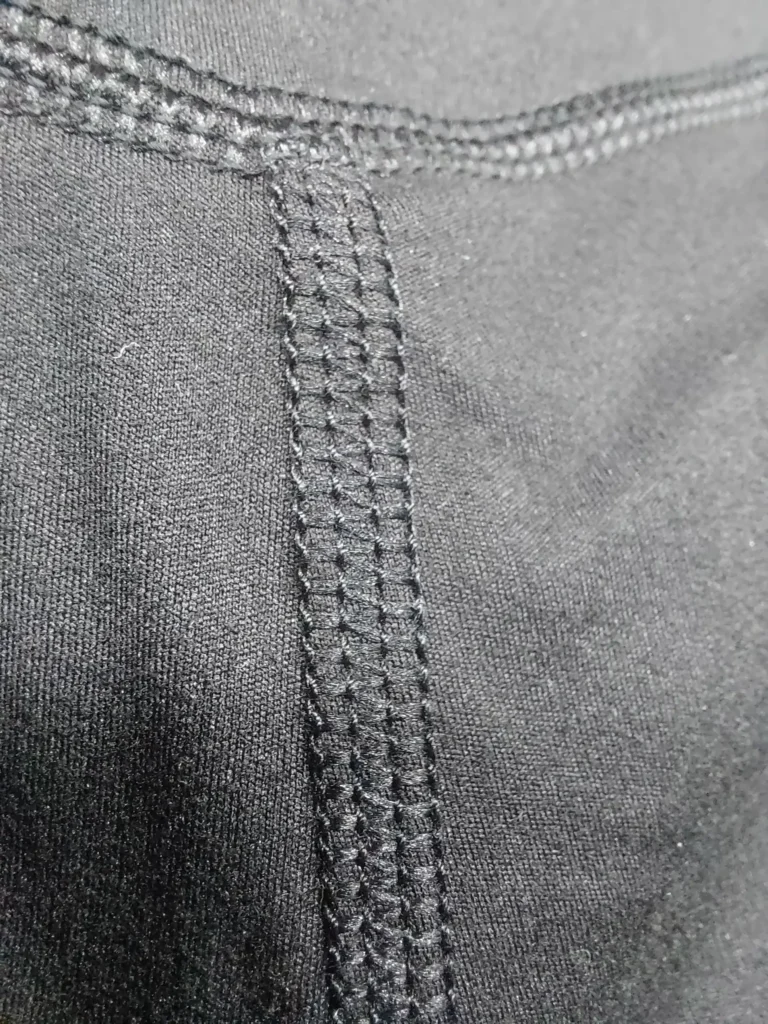
Traditional garment construction relies on needle-and-thread stitching, which introduces thousands of perforations into the textile substrate. In high-performance activewear, these perforations create structural weaknesses, increase drag (aerodynamics), and introduce skin friction points (chafing).
The modern manufacturing standard has shifted toward Sew-Free Technologies. These utilize either thermoplastic adhesive films or high-frequency acoustic vibrations to fuse textiles, creating a continuous, sealed structure that is stronger and lighter than stitched seams.
2. Core Manufacturing Technologies: Welding vs. Bonding
It is vital for procurement officers to distinguish between these two methods, as their material compatibility differs significantly.
A. Ultrasonic Welding (Acoustic Fusion)
- The Physics: High-frequency ultrasonic vibrations (20kHz – 40kHz) generate localized heat via friction, melting the fibers of the fabric itself to fuse them together.
- Material Constraint: This process requires thermoplastic fibers. It is only effective on fabrics with high synthetic content (Polyester, Nylon, Spandex).
- Failure Point: 100% Cotton or natural fibers cannot be ultrasonically welded directly, as cellulose burns rather than melts.
B. Adhesive Heat Bonding (Thermoplastic Film)
- The Physics: A specialized adhesive film (TPU/PU tape) is placed between fabric layers. A heat press applies precise temperature (130°C – 160°C) to melt the adhesive, which penetrates the fabric weave to create a mechanical lock.
- Material Advantage: Unlike welding, Bonding is Universal. It works effectively on:
- Synthetics: (Polyester, Nylon)
- Natural Fibers: (Cotton, Wool, Fleece)
- Blends: (Poly-Cotton, Triblends)
- Application: Ideal for “Streetwear” and “Athleisure” where cotton hand-feel is required but a clean, technical finish is desired (e.g., bonded pockets on cotton hoodies).
3. Performance Metrics: Bonded vs. Stitched
The following analysis compares standard Overlock Stitching against Sew-Free seams.
- Aerodynamic Profile (Drag Coefficient): A standard 4-thread overlock stitch creates a raised ridge of 3.0mm – 5.0mm. A heat-bonded seam is flush with the fabric surface (<0.5mm).
- Skin Friction (Anti-Chafe): Needle thread creates friction points against the skin. Bonded seams eliminate the thread entirely, creating a flat internal profile essential for compression gear.
- Hydrophobic Integrity: Stitched seams are leak points. Adhesive bonding creates a sealed barrier. When combined with waterproof tape, the seam becomes 100% waterproof.
4. Technical Comparison Matrix (Data Table)
Use this data to specify the correct construction method for your fabric type.
| Technical Metric | Ultrasonic Welding | Adhesive Heat Bonding | Traditional Cut & Sew |
| Bonding Mechanism | Fiber Fusion (Melting) | Adhesive Film (Glue) | Mechanical Thread Lock |
| Cotton Compatibility | NO (Burns) | YES (Universal) | YES (Universal) |
| Seam Profile | < 0.5mm (Flush) | < 0.5mm (Flush) | 3.0mm – 5.0mm (Raised) |
| Water Resistance | Sealed | Sealed (Hydrophobic) | Porous (Needle Holes) |
| Primary Use Case | Base Layers / Compression | Outerwear / Cotton Hoodies | Standard Apparel |
5. Quality Control (QC) Standards
Bonding requires precise calibration of Time, Temperature, and Pressure.
- The Peel Strength Test: A dynamometer pulls the bonded layers apart. The fabric substrate must tear before the adhesive bond fails (Standard: >15N/5cm).
- Wash Fastness Cycling: Garments undergo 50+ industrial wash cycles at 40°C. Note: Cotton bonding requires specific low-melt adhesives to withstand tumble drying.
- Hydrostatic Head Test: For waterproof garments, the bonded seam must withstand >10,000mm water column pressure without leakage.
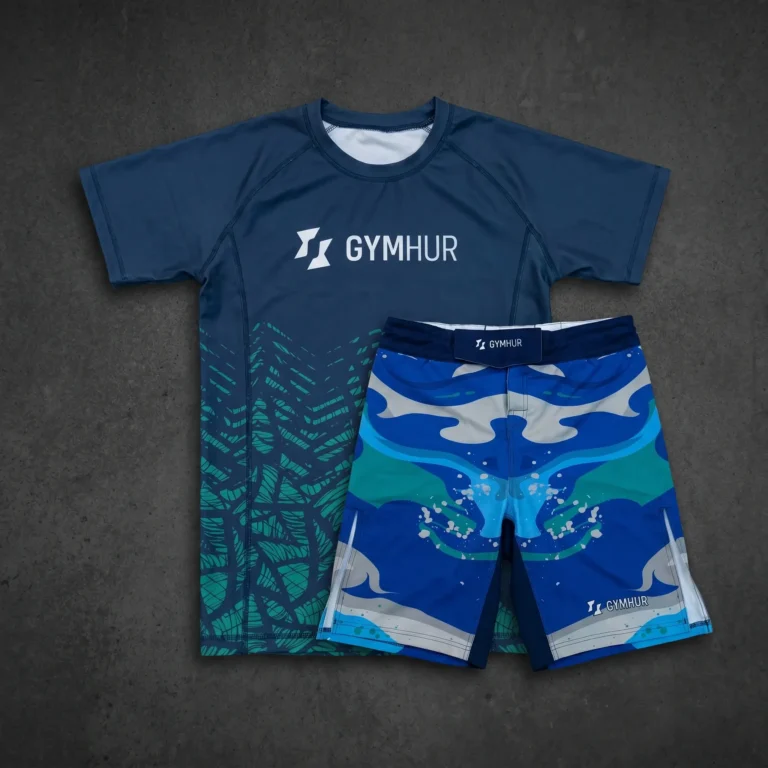
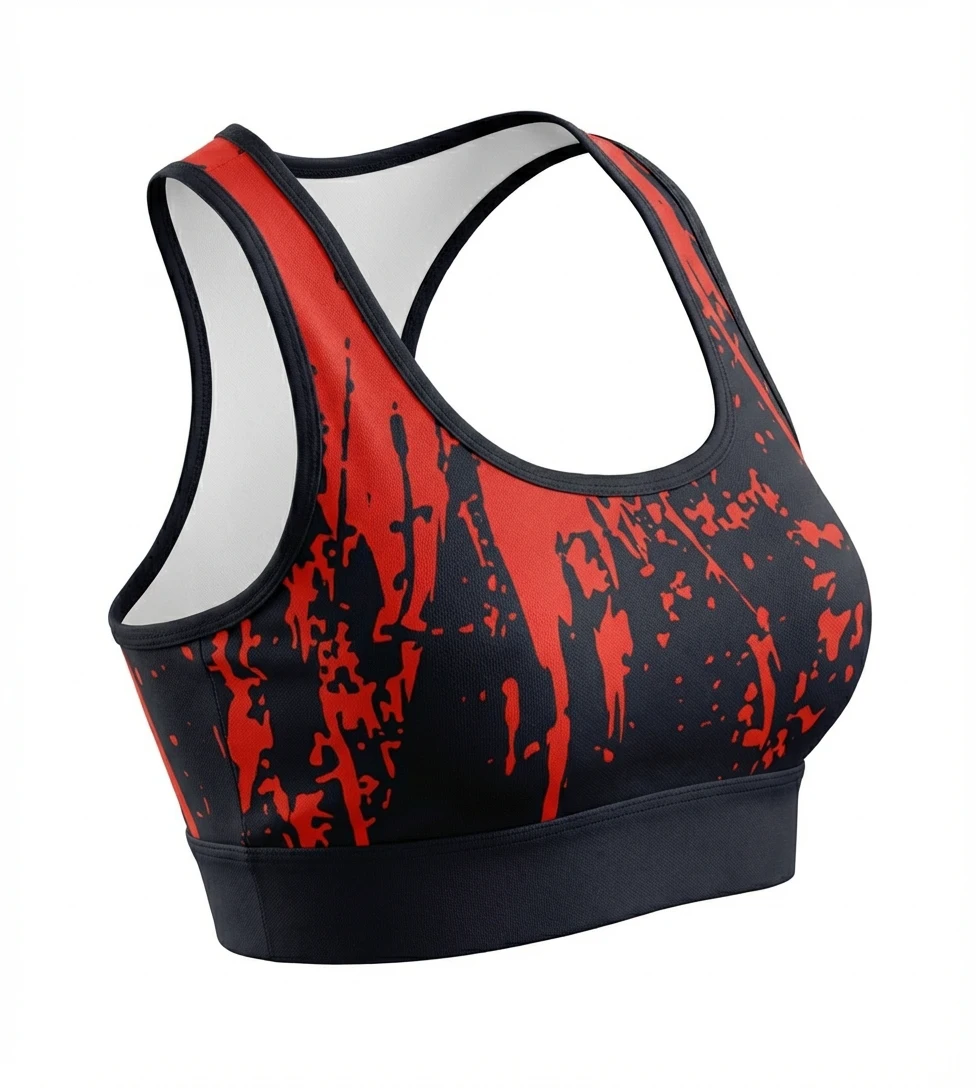
Document Control: This manufacturing analysis is maintained by the Technical Division at GYMHUR.For inquiries regarding Bemis tape specifications or ultrasonic prototypes, Contact us. Heat bonding is used across our custom sports bras for seamless construction, while ultrasonic welding is applied in our custom rashguards and compression wear for flat, chafe-free seams.