The Engineering of a Sliotar: Material Science & Manufacturing Standards
Introduction: The Physics of the Modern Sliotar
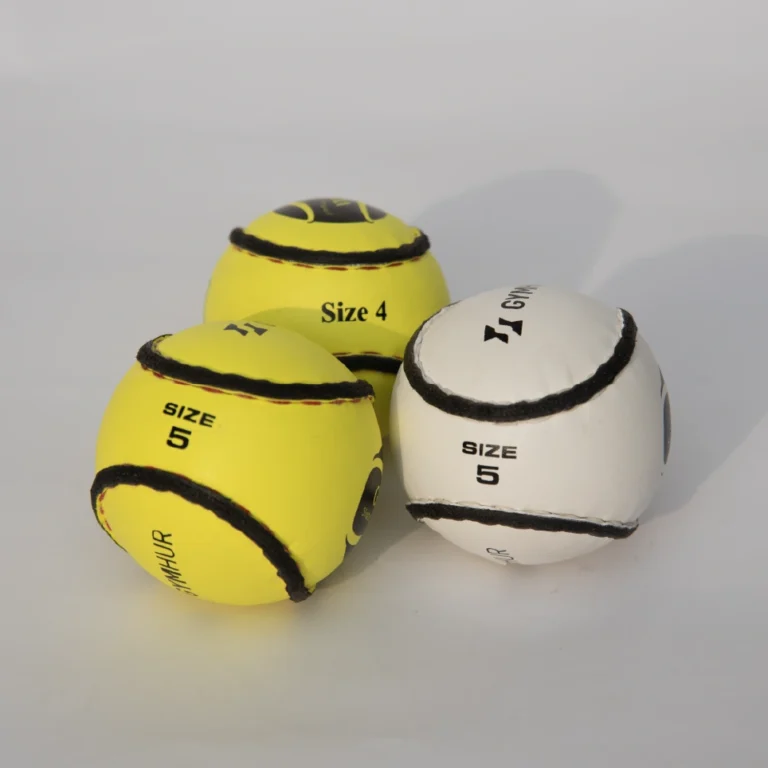
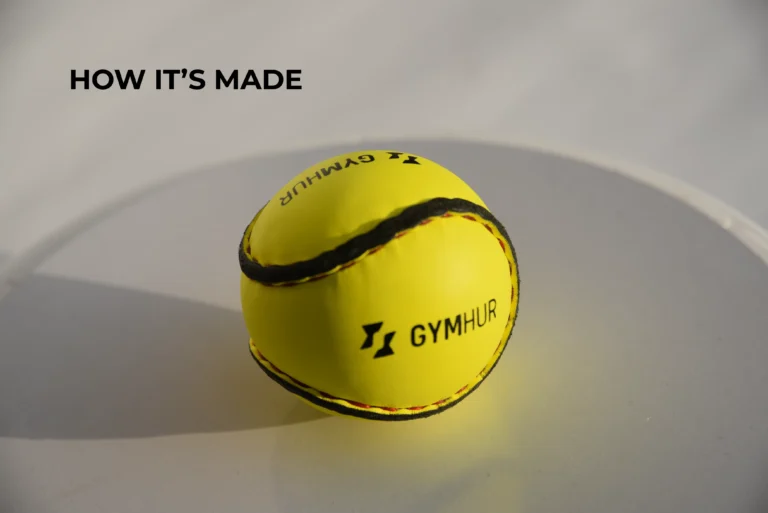
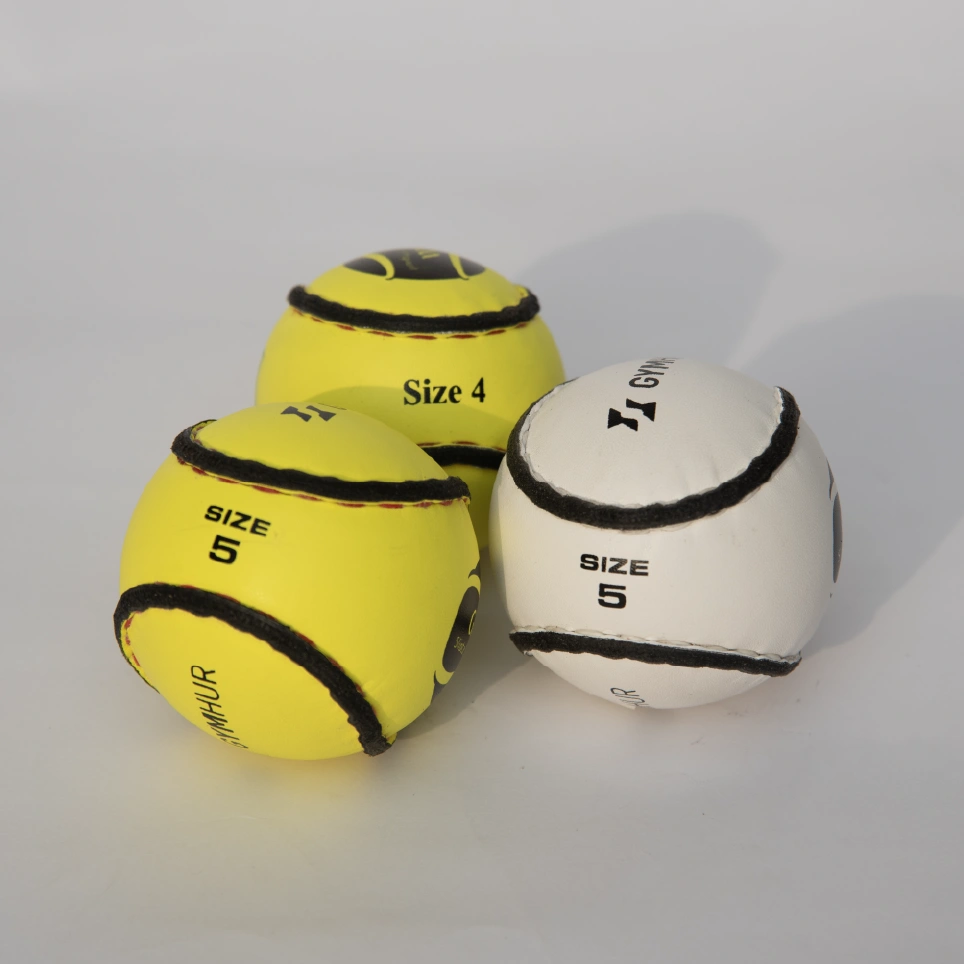
The manufacturing of a regulation sliotar (hurling ball) is a balance of traditional aerodynamics and modern material science. Unlike a baseball or cricket ball, a sliotar requires a specific Coefficient of Restitution (bounce) combined with a raised rim (rib) to allow for the unique “lift and strike” mechanics of Hurling.
This guide outlines the technical specifications, material evolution, and quality control metrics defining the modern Match and Smart Touch sliotar.
1. The Shift from Organic to Synthetic
The manufacturing standard for the modern hurling sliotar has transitioned significantly over the last decade. While traditional construction relied on organic materials (cork and chrome-tanned leather), these introduced variables in mass and density that are incompatible with high-performance sport.
The contemporary standard utilizes a “Double Synthetic” construction: a high-density Polyurethane (PU) core encased in a Microfiber PU shell. This guide analyzes the technical advantages of this transition regarding consistency, aerodynamics, and weather resistance.
2. Shell Engineering: Microfiber PU vs. Cowhide
The primary failure point in traditional sliotars is water absorption. Cowhide, being porous, increases in mass when wet, altering the ball’s flight characteristics.
Microfiber Polyurethane (Synthetic Leather)
Modern manufacturing utilizes 1.8mm – 2.2mm Microfiber PU.
- Hydrophobicity: Unlike leather, which requires tanning agents to resist moisture, Microfiber PU is intrinsically non-porous.
- Mass Stability: A synthetic ball retains its regulation weight (110g – 120g) within a tight tolerance (<2% variance) regardless of pitch conditions.
- Tensile Consistency: Synthetic sheets are manufactured to a uniform thickness. This eliminates the “weak spots” found in natural hides (e.g., flank vs. belly cuts), ensuring uniform stitch tension around the rim.
Surface Friction (Tack)
To replicate the mechanical purchase required for the hurley, synthetic shells undergo a specialized surface treatment. This creates a high-friction texture that mimics the “tack” of chrome-tanned leather without requiring resin or chalk for grip.
3. Core Dynamics: Specific Gravity & Restitution
The core dictates the “life” of the ball. The transition to PU cores addresses the inconsistency of natural cork.
The Problem with Cork
Cork is a biological material with variable density. A cork core often results in a center of gravity that is slightly off-center, causing “wobble” during high-velocity flight (puck-outs).
The PU Core Standard
High-Density Polymer cores are injection-molded to precise specifications.
- Specific Gravity: The density is calibrated to ensure the center of mass is geometrically perfect.
- Coefficient of Restitution (COR): The polymer formulation is engineered to mimic the compression of cork. It must absorb impact energy (damping) rather than returning it instantly, preventing the “superball” effect where the ball travels excessively fast off the bas.
- Durability: PU cores do not fracture or crumble under repeated impact, a common failure mode in bonded cork cores.
4. The Rim (Rib): Aerodynamics & Stitching
The rim serves as the aerodynamic stabilizer and the mechanical grip point.
- Height Tolerance: The industry standard for rim height is 2.0mm – 2.8mm.
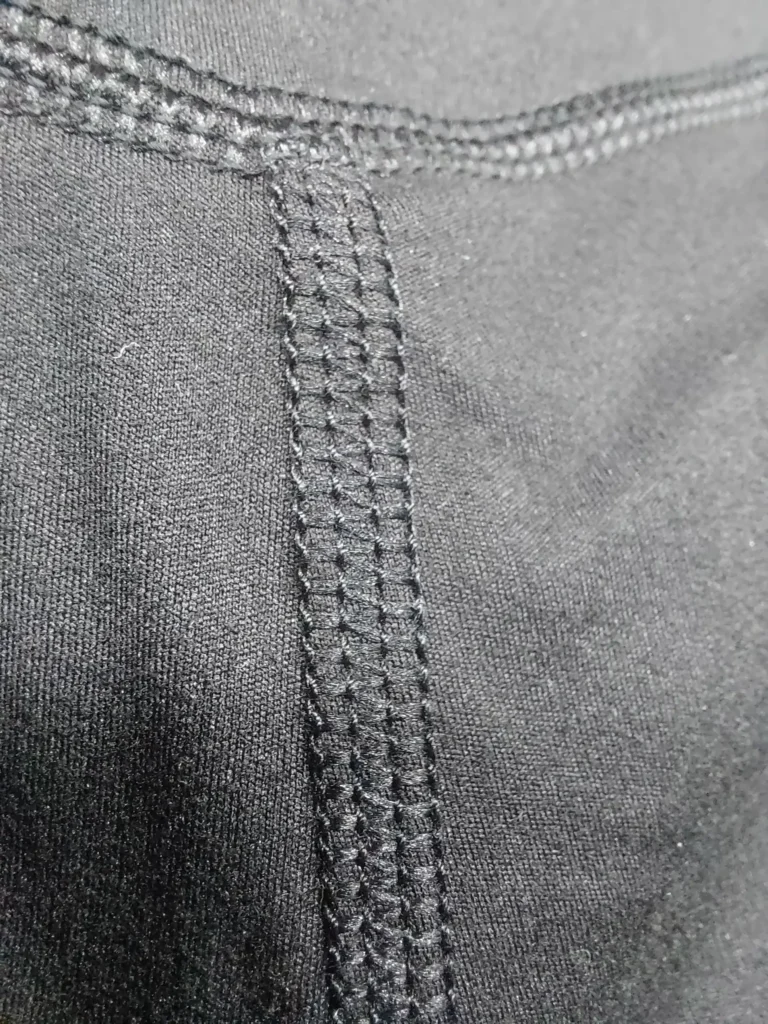
- Stitch Integrity: Synthetic leather does not stretch. This stability allows for higher-tension stitching using heavy-gauge polyester thread. Consequently, the rim height remains constant throughout the product’s lifecycle, whereas leather rims tend to flatten as the hide softens.
5. Comparative Data: Synthetic vs. Organic Standards
The following table outlines the performance deltas between traditional and modern manufacturing materials.
| Technical Metric | Modern Synthetic Standard | Traditional Organic | Performance Implication |
| Shell Material | Microfiber PU | Chrome Tanned Leather | PU eliminates water uptake. |
| Core Material | Injection Molded PU | Bonded Cork/Yarn | Molded PU ensures perfect balance. |
| Water Absorption | < 1% Mass Increase | > 15% Mass Increase | Synthetic remains playable in rain. |
| Rim Stability | Constant (Non-stretch) | Variable (Leather stretch) | Synthetic maintains grip longer. |
| Diameter | 69mm – 72mm | 69mm – 72mm | Identical dimensions. |
| Mass (Dry) | 110g – 120g | 110g – 120g | Identical dry weight. |
Data Source: All GYMHUR manufacturing tolerances are calibrated to meet or exceed the specifications outlined in the GAA Official Guide (Equipment Regulations).
6. Manufacturing Quality Assurance (QA) Protocols
To meet B2B export standards, batches typically undergo the following validation tests:
- The Hydrostatic Test: Submersion in water for 60 minutes. Pass criteria: Mass increase <3g.
- The Rebound Test: Drop from 1.8m onto a steel plate. Pass criteria: Rebound height between 1.2m – 1.4m.
- The Abrasion Cycle: Friction testing to simulate wall-ball usage. Synthetic shells must retain surface texture after 500 cycles.
This technical guide is maintained by the engineering team at GYMHUR. For export inquiries, visit our wholesale sliotars page for pricing and lead times, or read our complete sourcing guide for GAA clubs. For a comparison of cork and PU core performance, see our Cork vs PU Core Sliotars guide.